

Maintenance

Wooden furniture
Wood furniture in general
At FDB Møbler, we take pride in offering handcrafted furniture made from natural materials, providing each product with its own unique character. Please note that due to these handmade processes and the natural materials used, there may be minor variations in size, shape, grain structure, and colour between different productions.
Wood is affected by humidity, air temperature, and sunlight over extended periods. Always protect the wood from hot objects such as pots and candles and avoid placing it too close to heat sources such as wood-burning stoves etc. Also protect the wood from potted plants and cups, which may release moisture.
To prevent colour differences caused by light exposure, it is recommended not to place permanent decorations on the table, such as placemats or vases, regardless of the type of wood furniture, especially during the first month.

Care and maintenance
Oiled wood
For cleaning, wipe the furniture with a hard-wrung cloth and warm water. Any spilled liquids should be wiped up immediately to prevent stains. Do not scrub the surface with a scouring pad or similar, as this will damage the protective coating.
Regular care and maintenance ensure the longevity of the wood. To maintain the surface, it is recommended to treat the wood with furniture oil 2-4 times a year or as needed. First, clean with a hard-wrung cloth and let it dry. If the wood grains raise, the surface can be lightly sanded with at least grain 220 or higher, following the direction of the grain. Then, follow the instructions on the selected oil, starting on a less visible area. If in doubt, consult a local professional.
IMPORTANT
1. When treating the surface of a tabletop, remember to treat both sides to prevent warping of the solid wood.
2. When treating the surface of woven furniture, be careful not to get oil on the paper cord.
3. It is important to wipe off excess oil from the furniture after the recommended absorption time to avoid leaving the furniture with a greasy surface.
4. After using cloths or sponges, it is crucial to place them in a plastic bag with water and seal it airtight before disposal, as the oil can make them self-ignite. Please follow the oil manufacturer's instructions for proper disposal.

Care and maintenance
Lacquered and Painted Wood
For cleaning, wipe the furniture with a hard-wrung cloth and warm water. Any spilled liquids should be wiped up immediately to prevent damage. Lacquered and painted furniture does not require additional maintenance.

Care and maintenance
Wood treated with linseed oil
For cleaning, wipe the furniture with a hard-wrung cloth and warm water, following the direction of the grain. Any spilled liquids should be wiped up immediately to prevent damage. Do not scrub the surface with a scouring pad or similar, as this will damage the protective coating.
For maintenance of surfaces treated with linseed oil, please follow the manufacturer’s instructions for the specific product.
Care and maintenance
Waxed Wood
For cleaning, wipe the furniture with a hard-wrung cloth and warm water, following the direction of the grain. Any spilled liquids should be wiped up immediately to prevent damage.
For the maintenance of wax-treated furniture, only minimal treatment is required. Apply a thin, even layer of wax to the furniture and polish with a dry cotton cloth, following the direction of the wood grain.

Care and maintenance
soap treated Wood
For cleaning, wipe the furniture with a hard-wrung cloth and warm water. Any spilled liquids should be wiped up immediately to prevent damage.
To maintain the wood, use soap flakes 1-2 times a year or as needed. The more treatments, the better protection. The treatment is done by whipping the soap flakes with demineralized water in a 1:10 ratio, stirring until the flakes are properly dissolved. Do not pour the solution directly onto the furniture but apply with a colorless cotton cloth to ensure does not get soaked. During the first couple of treatments, the wood’s fibers will likely rise. Use sanding sponge grain 240 carefully on the surface when the furniture is completely dry.
Specifically, for J80-series
Since the back is made of molded plywood, it is important to be careful with maintenance of this part to not dissolve the glue in the veneer. A sprayer could be use for this, to ensure the back piece not getting too wet.

Care and maintenance
Linoleum
For cleaning, wipe the furniture with a hard-wrung cloth and warm water. Any spilled liquids should be wiped up immediately to prevent damage.
Linoleum is composed of linseed oil, resin, wood flour, limestone, and natural colour pigments. Regular care ensures that the surface remains beautiful for many years. It is recommended to treat linoleum surfaces with linoleum soap 3-4 times a year, or as needed. Follow the directions on the specific product. Using linoleum soap extends the lifespan of the product.

Care and maintenance
Woven Materials
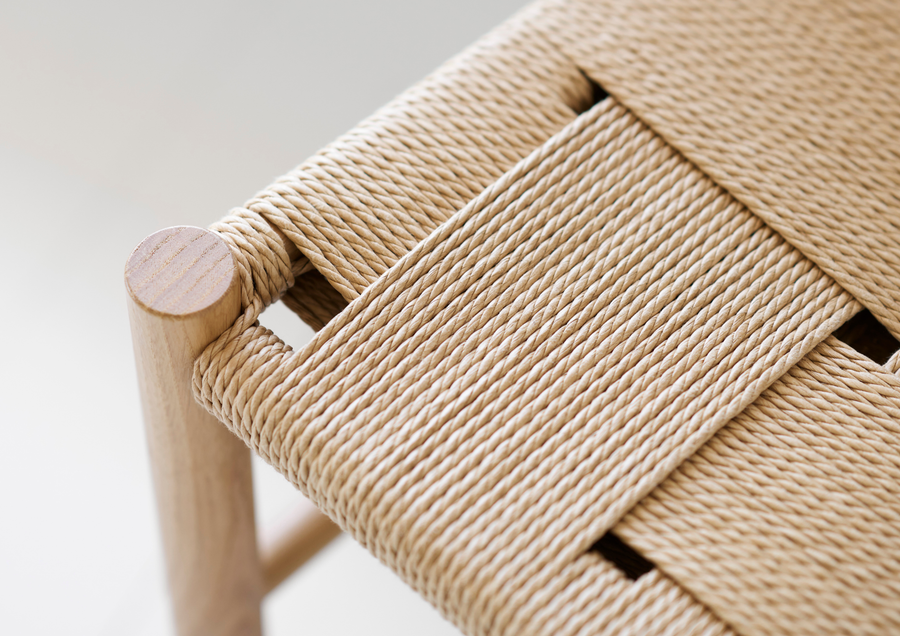
Paper cord is treated with a thin layer of wax, making it more resistant. As it is a natural material, a darker patina will develop over time.
If spills occur on the paper cord, remove as much of the liquid as possible with a dry and colourless cloth. Then dab the stain lightly with a hard-wrung cloth. Avoid rubbing the stain and do not use chemicals, dish soap, or cleaning agents. Discoloration of the paper cord may occur with spills of strong liquids, such as red wine, fruit juice, heavily coloured food, or contact with non-colourfast clothing. If desired, use a cushion to protect the paper cord.

Upholstery
In general
At FDB Møbler, we are proud to offer furniture that is durable and easy to maintain. Please note that there may be small variations in colour between different productions.
Be aware of the risk of permanent discoloration in contact with non-colourfast clothing. Sharp objects can scratch and damage upholstered furniture. When placed in direct sunlight, textiles and leather will always fade over time.
Vacuum upholstered furniture with medium force using a furniture nozzle that does not damage the upholstery.

Care and maintenance
Upholstery - Textile
For stains, try dabbing with a hard-wrung cotton cloth and warm water; a small amount of pH-neutral and colourless dish soap diluted in lukewarm water may also be used. It is important to dab the stain and absorb as much of the liquid as possible afterward with a colour-free cloth or dish towel. Avoid soaking and always use a clean cloth. For the final rinse, use only clean water without soap. If stain remover is used, follow the instructions on the individual product. For removable covers, follow the washing instructions on the label.

Care and maintenance
Upholstery - Leather
With the use of genuine leather, no two cuts will be alike, as the skin may be marked by scars and wrinkles.
Protected leather
This type of leather has undergone surface treatment to ensure uniform colour and surface. Spilled liquids should be wiped up as quickly as possible, and possibly dried afterward with a dry cloth. Make sure to wipe the entire surface to prevent spots. For leather aftercare, use soap flakes. Whip the flakes with a little demineralized water, then use the foam to apply to the leather. Once the leather is dry, wipe it down with a hard-wrung cotton cloth.
Aniline leather (full grain)
This type of leather has an untreated surface, highlighting the unique beauty of the leather. As it is an untreated natural material, unique patina will develop over time, and natural drying out of the leather may occur. Spilled liquids should be wiped up as quickly as possible, and possibly dried afterward with a dry cloth. Make sure to wipe the entire surface to prevent spots. For leather aftercare, use leather cleaner and leather cream. Follow the instructions on the specific product.

Garden furniture
In general
At FDB Møbler, we take pride in offering handcrafted furniture made from natural materials, providing each product with its own unique character. Please note that due to these handmade processes and the natural materials used, there may be minor variations in size, shape, grain structure, and colour between different productions.
Wood is naturally affected by the outdoor environment and will therefore develop a patina over time, depending on the type of wood. Always protect the wood from hot objects such as pots and candles, and avoid placing it too close to heat sources such as fire pits. Also protect the wood from potted plants and cups, which may release moisture. Please note that placing furniture in greenhouses and/or conservatories may cause the wood to dry out more than usual and significantly shorten its lifespan.
It may be beneficial to winterize the furniture in a shed or roofed. If this is not possible, consider using a cover for garden furniture. Always ensure that the furniture is completely dry before storing or covering it to prevent mold and rot.

Care and maintenance
Oiled Wood - Outdoor
Like all other wooden furniture exposed to the elements, you extend the lifespan of your garden furniture by maintaining it. If you desire the furniture to acquire a patinated silver-grey look, stop after step 4.
Step-by-step guide
1. Wash thoroughly with the rough side of a scrubbing sponge.
Mix the wood cleaner with water in a bucket according to the product instructions. Thoroughly clean the furniture using a furniture brush, following the direction of the wood grain. The more thoroughly you clean the furniture, the easier the subsequent treatment will be. Allow the furniture to dry for approximately 24 hours.
2. Sand everywhere with sandpaper.
After the furniture is completely dry, sand along the wood grains with grain 180 or higher. Use a coarser sandpaper first if there are large scratches or nicks. Sand all surfaces of the furniture for the neatest result.
3. Wipe the furniture to remove sanding residue.
The furniture is wiped with a hard-wrung cloth in clean water to remove sanding residue.
4. Tighten bolts and screws if necessary.
Remember to tighten bolts and screws to prevent the garden furniture from wobbling.
If you desire the furniture to acquire a patinatezd silver-grey look, stop after this step.
5. Apply oil in the direction of the wood grain in an even layer.
When the furniture is completely dry, apply the oil in an even layer in the direction of the wood grain, with a paint brush or with a piece of old cotton fabric.
6. Wipe off excess oil.
Let the oil dry according to instructions, then wipe off any excess oil with a clean cotton cloth. Allow the furniture to dry for a minimum of 24 hours after completion of treatment before they are ready for general use. It may take a couple of days for the oil to fully harden.
IMPORTANT
1. When treating the surface of a tabletop, remember to treat both sides to prevent warping of the solid wood.
2. It is important to wipe off excess oil from the furniture after the recommended absorption time to avoid leaving the furniture with a greasy surface.
3. After using cloths or sponges, it is crucial to place them in a plastic bag with water and seal it airtight before disposal, as the oil can make them self-ignite. Please follow the oil manufacturer's instructions for proper disposal.

Care and maintenance
Stainless steel
When cleaning, wipe the surface with a well-wrung cloth and warm water, optionally with a small amount of pH-neutral, colourless dish soap. Wipe dry with a clean cloth to prevent streaks.
Please note that stainless steel can develop rust spots, as stainless steel is not 100% rust-proof — this is a common misconception. Over time, small rust spots may appear on stainless steel surfaces, especially when the furniture is located in coastal areas. In most cases, these can be removed using a rust remover on the affected areas. Follow the instructions for the specific product.
For more stubborn rust spots, a metal abrasive pad may be used as a last resort. Please note that an abrasive pad will cause scratches, so use a fine-grit pad. It may be beneficial to choose a sanding direction and follow it consistently to achieve the most uniform appearance possible. If in doubt, consult a local professional.
Care and maintenance
Cords or Straps
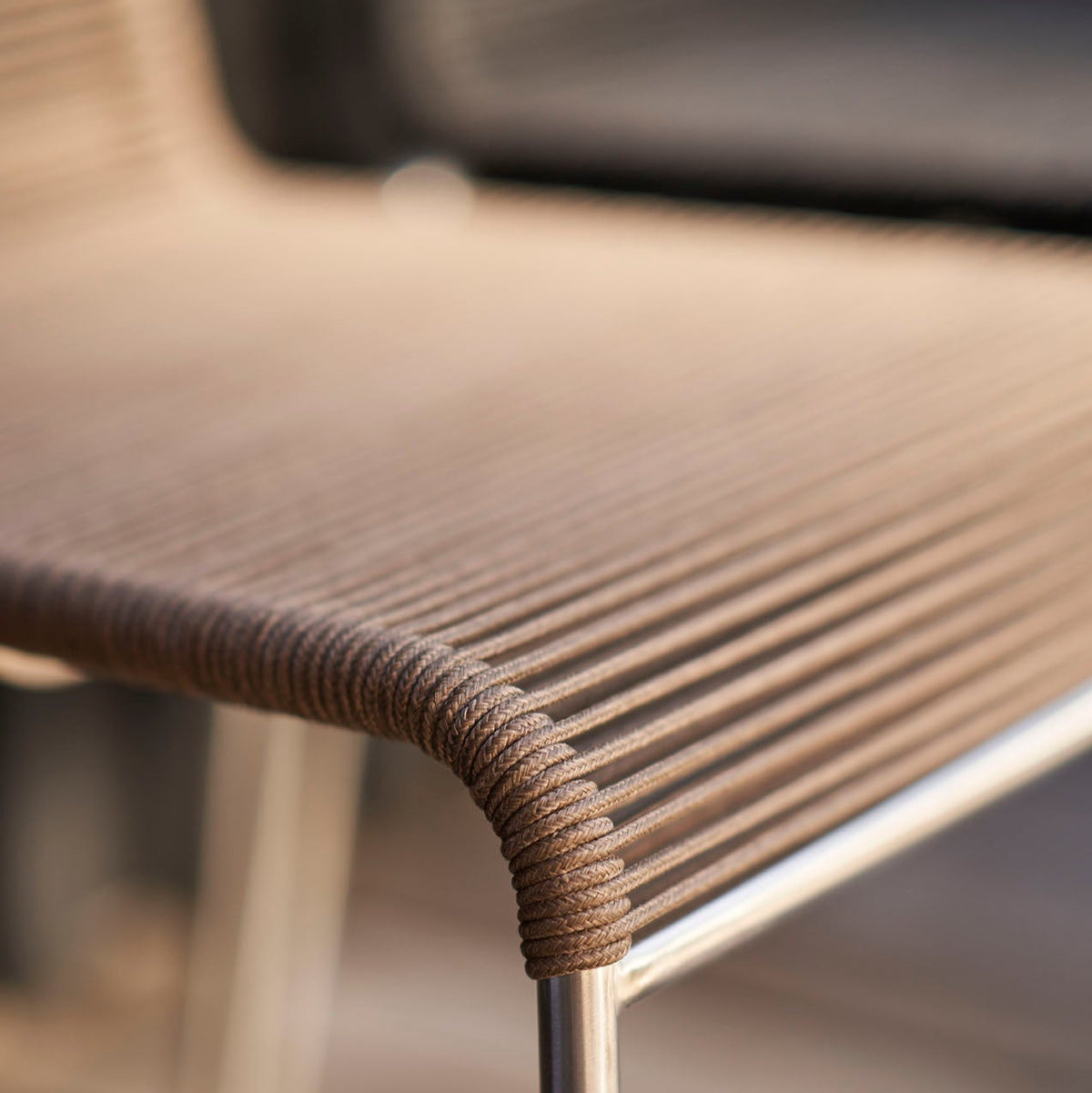
The cords are made of 100% polyester and require minimal maintenance, but for bird droppings and alike, use a hard-wrung cloth with warm water and a little pH-neutral and colour-free dish soap. Rinse afterward with clean water.
Care and maintenance
Composite Tabletops
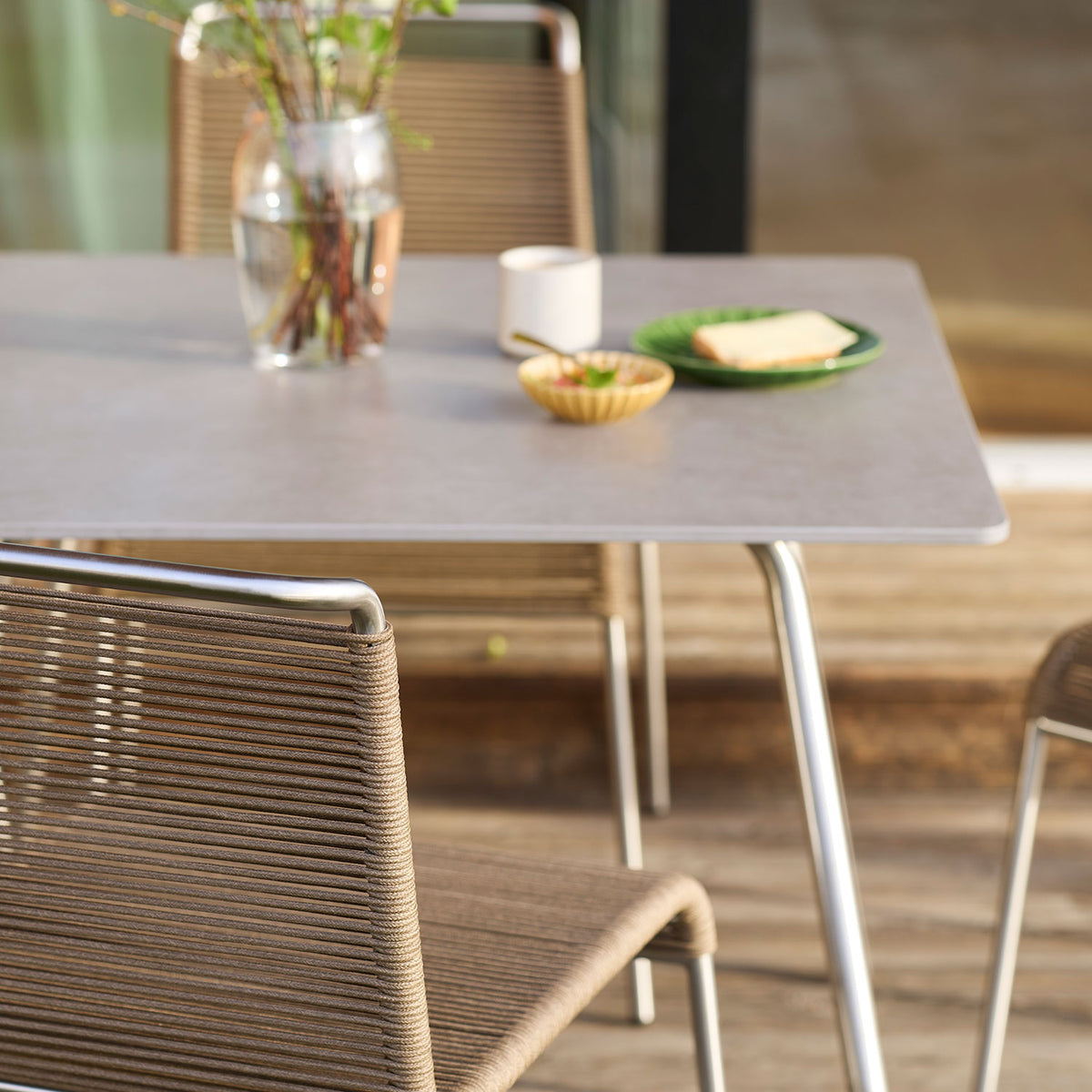
For cleaning, wipe with a hard-wrung cloth with warm water, possibly with a little pH-neutral and colour-free dish soap.