

C64 Shaker - Dining table - Solid oak - 90 x 220
Levering inden for 4-6 hverdage
30 dages fuld returret
10-year warranty on indoor furniture
Note! This market is not ready for sale yet.
Info about the product
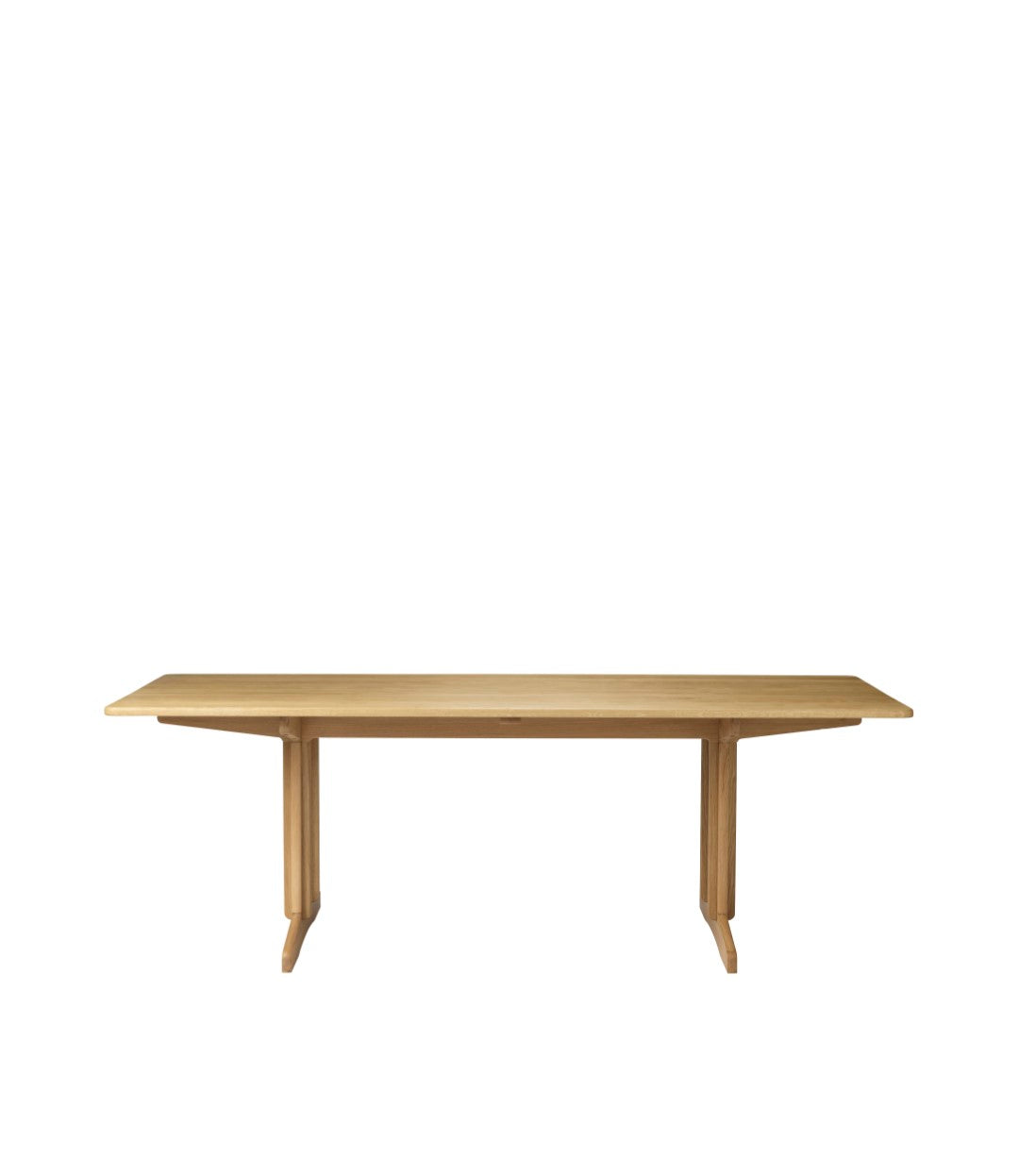
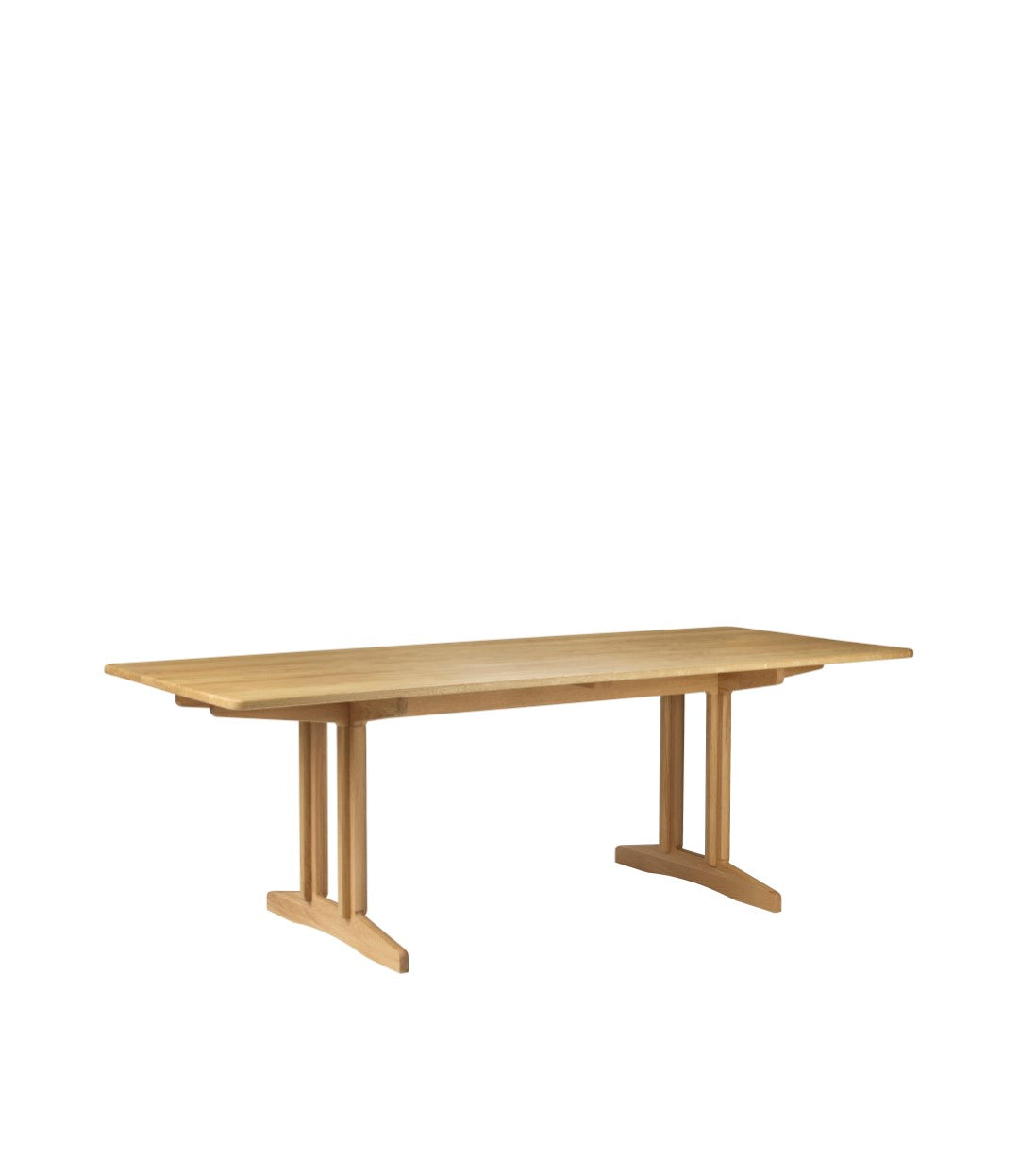
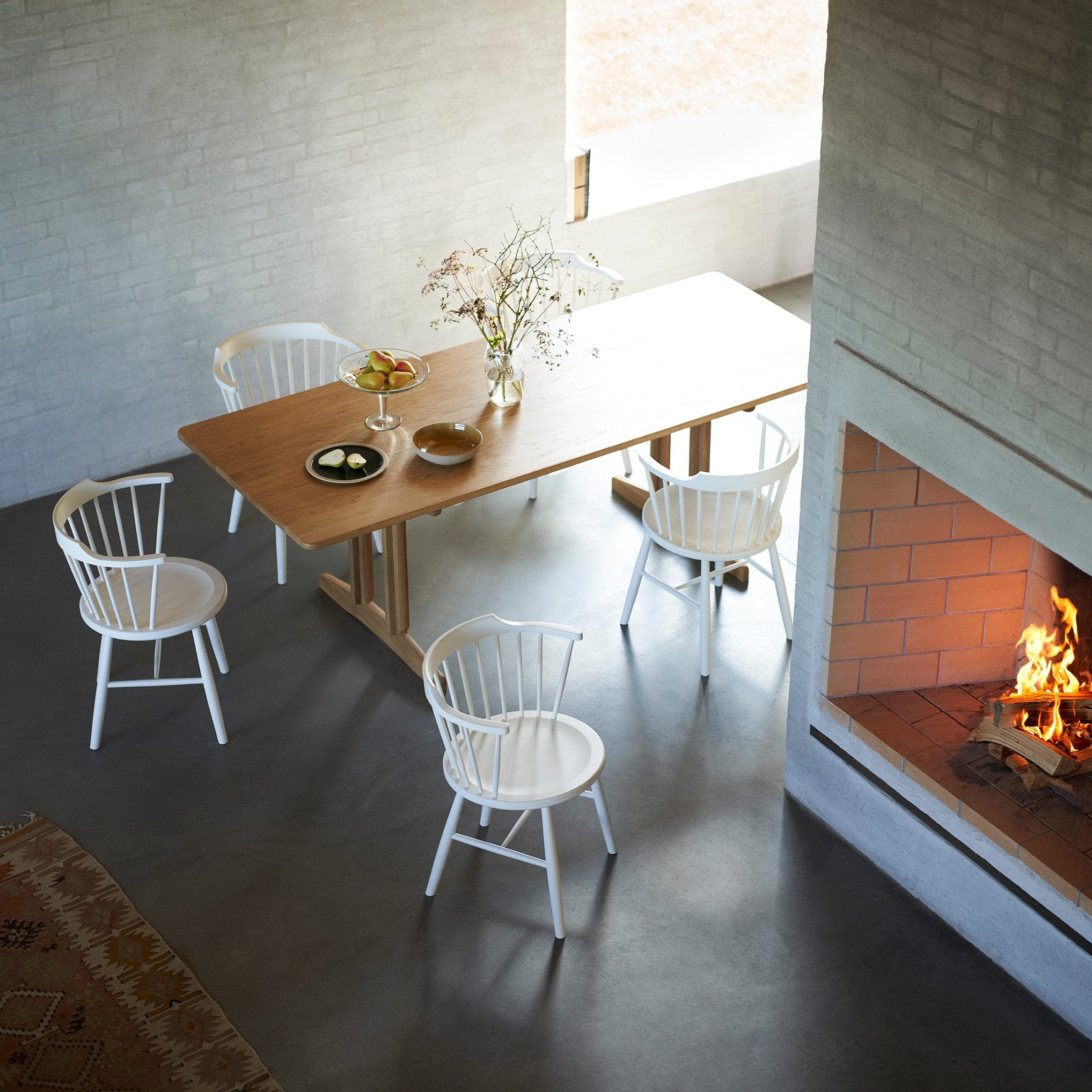
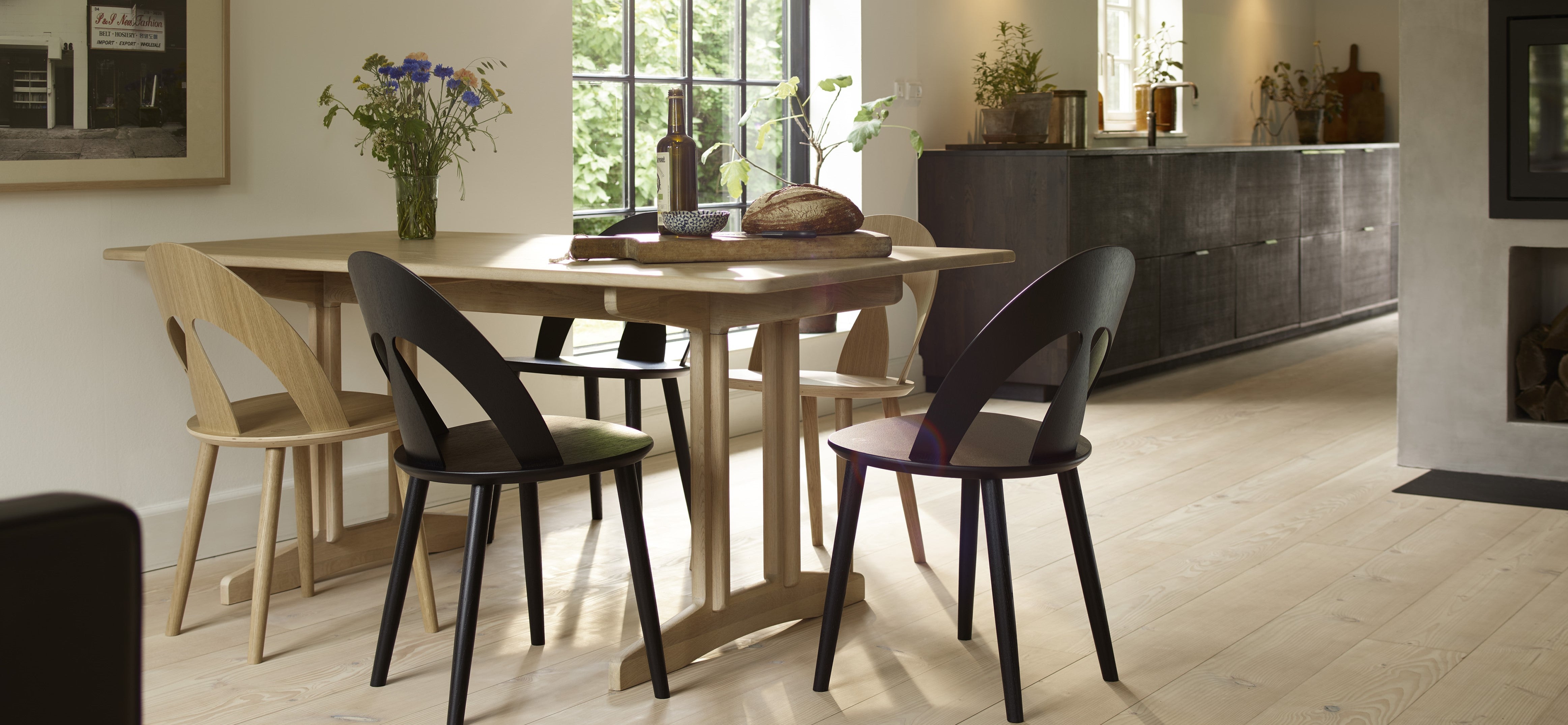
The Shaker table was not exclusive to Børge Mogensen’s private dining room. It was also a table type that he returned to time and again throughout his career as a furniture architect. Børge Mogensen designed this model for FDB Møbler in 1950, but it was never put into production, possibly because of the cross-shaped legs, which back then were a bold design detail and one that was difficult to manufacture. Many years later, FDB Møbler launched the table which – despite changing social trends within interior design – remains a timeless and aesthetically durable design. With its elegant and unique underframe, which is drawn in under the tabletop, the simple rectangular surface appears to float freely in space while allowing plenty of legroom. The table comes across as being highly functional with a practical tabletop with rounded edges, and builds on Børge Mogensen’s unwavering requirement that a piece of furniture should serve its users and support human activities rather than forcing people to adapt to the furniture.
74.5
90.0
220.0
13.0
97.0
225.0

I could never condone decoration purely for its own sake”
Care and maintenance
We have gathered our guide on how you can/should maintain your furniture.
Wooden Furniture – General Information
At FDB Møbler, we take pride in offering furniture that is handcrafted and made from natural materials, giving each product its own unique character. Please note that due to these handmade processes and natural materials, slight variations in size, shape, wood grain, and colour may occur between different production batches.
Wood can be affected by humidity, air temperature, and sunlight over longer periods. Always protect the wood from heat-emitting objects such as pots and candles, as well as potted plants that may release moisture.
To avoid colour differences caused by light exposure, it is recommended that you avoid placing permanent decorations on the table, such as placemats or vases, during the first month, regardless of the type of wooden furniture.
Care and maintenance of oiled wood
When cleaning, wipe the furniture with a well-wrung cloth using warm water. Spilled liquids should be wiped up immediately to avoid stains. Regular care and maintenance of the wood will help ensure a long lifespan for your furniture.
For surface maintenance, it is recommended to treat the wood with furniture oil 2–4 times a year or as needed. First clean the surface with a well-wrung cloth and let it dry. If the wood grain rises, lightly sand the surface with grit 220 or higher. Then follow the instructions provided with the chosen oil, and if necessary, start in a less visible area.
IMPORTANT:
• When treating a tabletop, it is important to treat both sides to prevent the solid wood from warping.
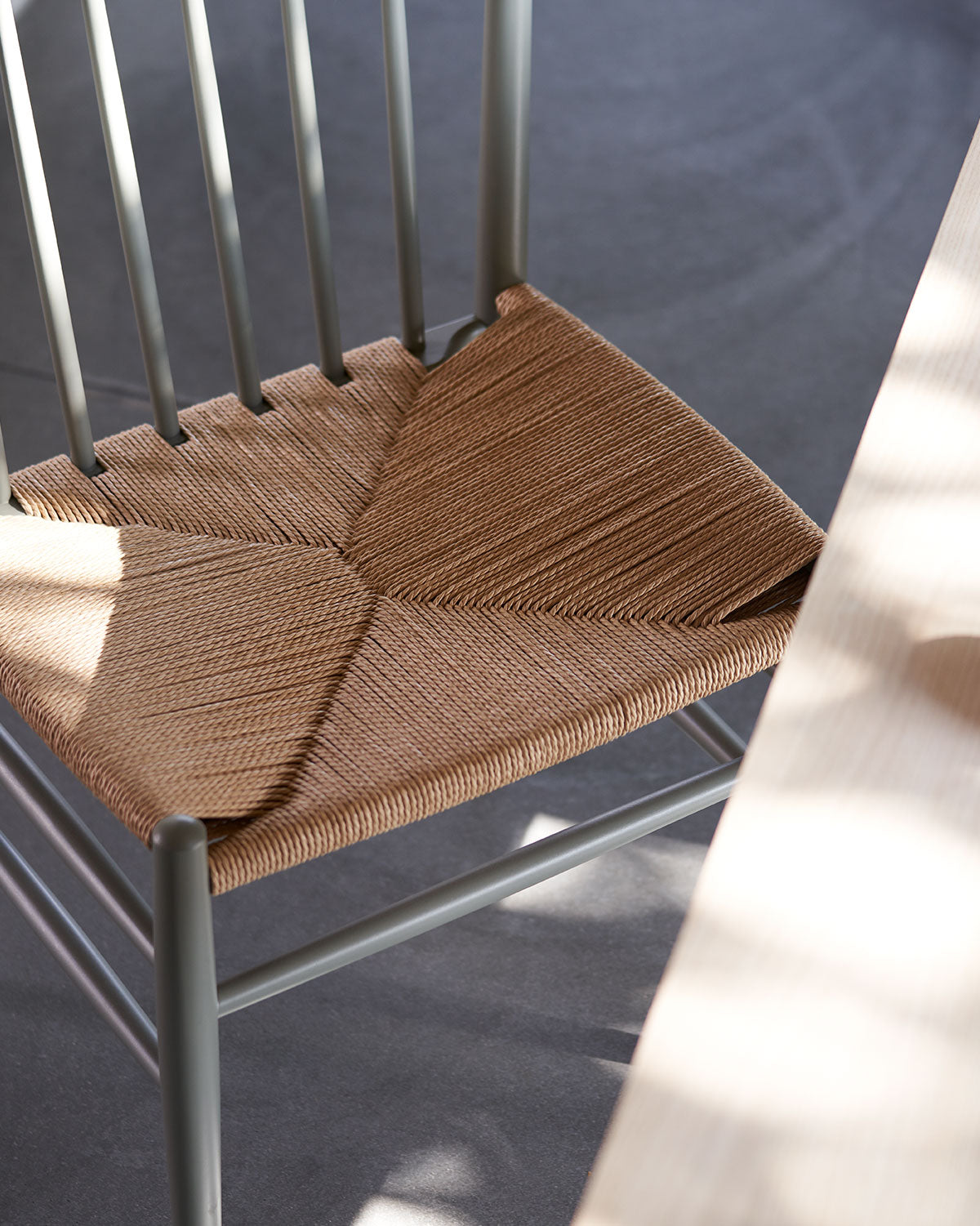
• When treating woven furniture, take care not to get oil on the paper cord.
• It is important to wipe off excess oil after the recommended absorption time, as leftover oil will leave the surface greasy.
• After using cloths or sponges, place them in a plastic bag filled with water and seal it airtight before disposal, as the oil may cause self-ignition. Please follow the oil manufacturer's instructions for proper disposal.
Care and maintenance of paper cord
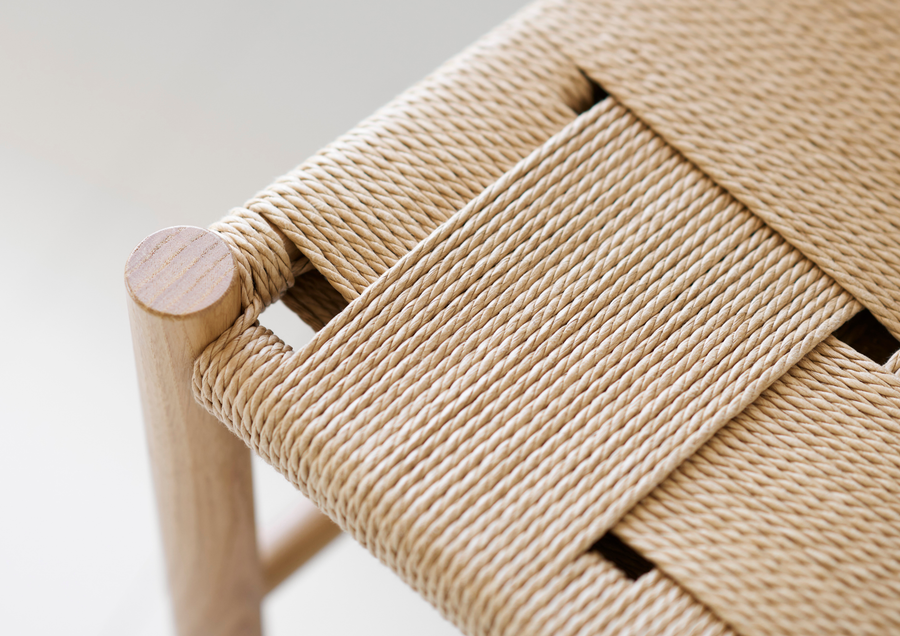
Paper cord is treated with a thin layer of wax, which makes it more resistant. As it is a natural material, a darker patina will develop over time. If anything is spilled on the paper cord, remove as much of the liquid as possible using a dry, colorfast cloth. Then gently dab the stain with a well‑wrung cloth. Avoid rubbing the stain, and do not use chemicals, dish soap, or cleaning agents.
Discoloration of the paper cord may occur if it comes into contact with strong liquids such as red wine, fruit juice, or highly colored foods, or through contact with non–colorfast clothing. If preferred, use a seat cushion to protect the paper cord.
Leather upholstery – Care and maintenance
When using genuine leather, no two cuts will be identical, as the hide may show natural marks such as scars and wrinkles.
Protected leather:
This type of leather has been treated with a surface coating that ensures a uniform colour and appearance. Spilled liquids should be wiped up as quickly as possible, and if needed, wiped again with a dry cloth. Make sure to wipe the entire surface, as partial cleaning may cause watermarks. For aftercare, use soap flakes. Whisk the flakes with a small amount of demineralised water to create foam, then apply the foam to the leather. Once the leather is dry, wipe it with a well‑wrung cotton cloth.
Aniline leather (full-grain/untreated leather):
With this type of leather, the surface is untreated, highlighting the unique natural beauty of the material. Because it is an untreated natural material, a characteristic patina will develop over time, and natural drying of the leather may occur. Spilled liquids should be wiped up as quickly as possible, and if needed, wiped again with a dry cloth. Make sure to wipe the entire surface, as partial cleaning may cause watermarks. For aftercare, use leather cleaner and leather cream. Follow the instructions provided for the specific product.